
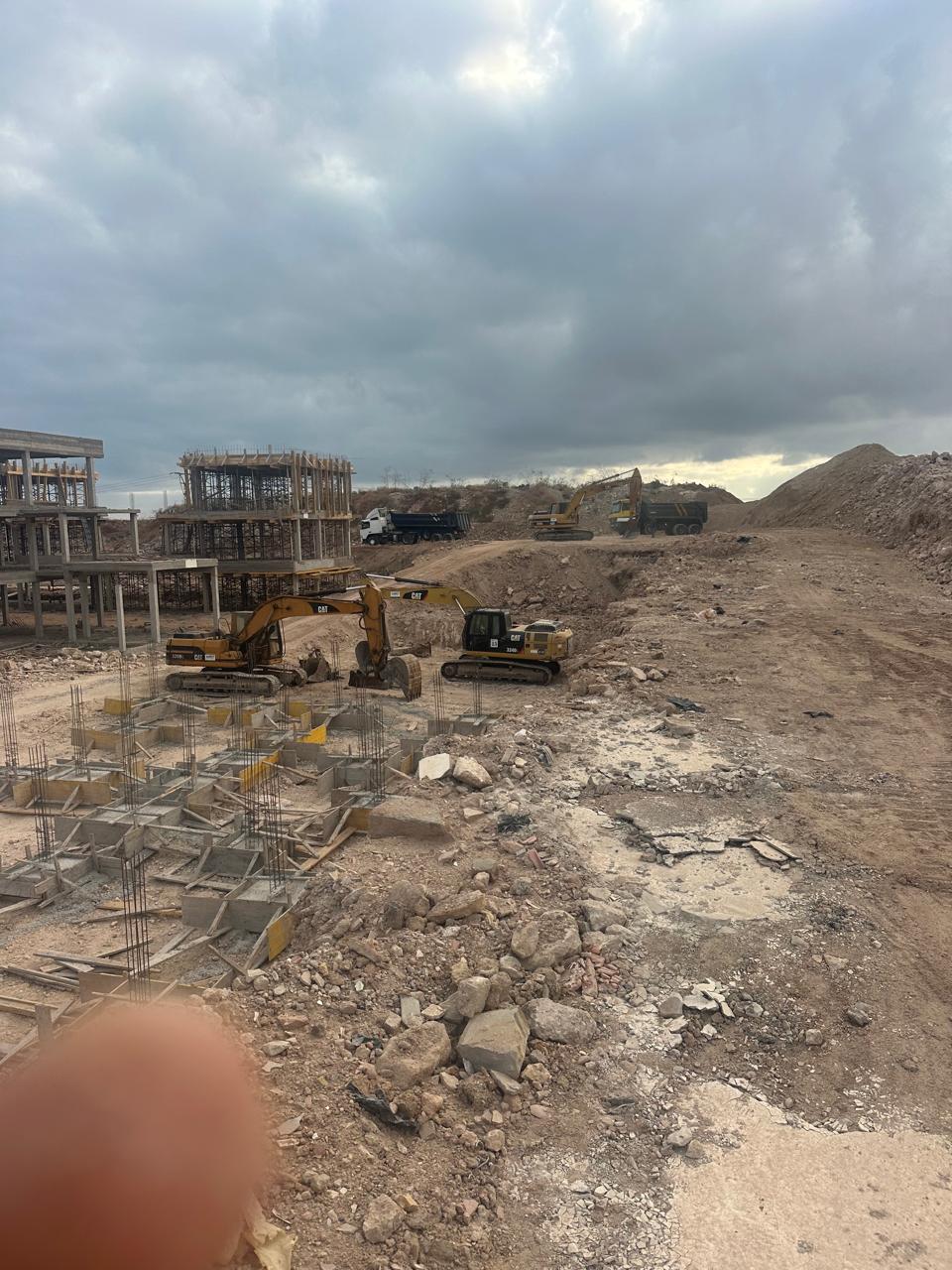
Heavy earthworks sites combine large machinery, excavated trenches, and constant vehicle movement — a combination that makes safety non-negotiable. A strong safety program isn't just about compliance; it protects crews, keeps schedules on track, and prevents the kind of incidents that can shut a project down entirely.
Below are the core safety standards O-TRAVIO applies on every site, and that any construction project should treat as baseline requirements.
Personal Protective Equipment (PPE)
Every worker on an active earthworks site needs hard hats, high-visibility vests, steel-toe boots, and eye protection at minimum, with hearing protection required near heavy machinery. PPE compliance should be checked at site entry, not assumed — a single missed hard hat is one incident away from a serious injury.
Trench and Excavation Safety
Trenches deeper than 1.2 meters require shoring, sloping, or shielding to prevent collapse, and no worker should enter an unprotected trench for any reason. Daily inspections by a competent person, especially after rain or ground disturbance, are essential to catching soil instability before it becomes a cave-in.
Heavy Equipment Operation Protocols
Only certified operators should run excavators, bulldozers, or graders, and every machine needs a pre-shift inspection covering brakes, hydraulics, and visibility systems. Clear exclusion zones around operating equipment, backup alarms, and spotters for blind-spot maneuvers are all standard requirements that prevent the majority of struck-by incidents on active sites.
- Certified operator training and license verification before mobilization
- Daily pre-operation equipment inspection checklists
- Marked exclusion zones and spotter protocols for blind spots
- Scheduled maintenance to prevent mechanical failure on-site
Site Traffic Management
With multiple machines and delivery vehicles moving simultaneously, a clearly marked traffic plan — separating pedestrian walkways from vehicle routes, posting speed limits, and designating one-way haul roads — significantly reduces collision risk. Visibility signage and designated crossing points for workers on foot should be non-negotiable on any active site.
Emergency Preparedness
Every site needs a documented emergency response plan covering medical incidents, equipment fires, and severe weather, along with accessible first-aid stations and trained first responders on every shift. Regular safety briefings — toolbox talks before each shift — keep protocols fresh and give crews a channel to flag hazards before they cause harm.
Building a Culture, Not Just a Checklist
Standards and checklists matter, but the sites with the best safety records treat safety as a shared responsibility rather than a compliance exercise. At O-TRAVIO, every crew member — from equipment operators to site supervisors — is trained and empowered to stop work if something looks unsafe, no exceptions.