
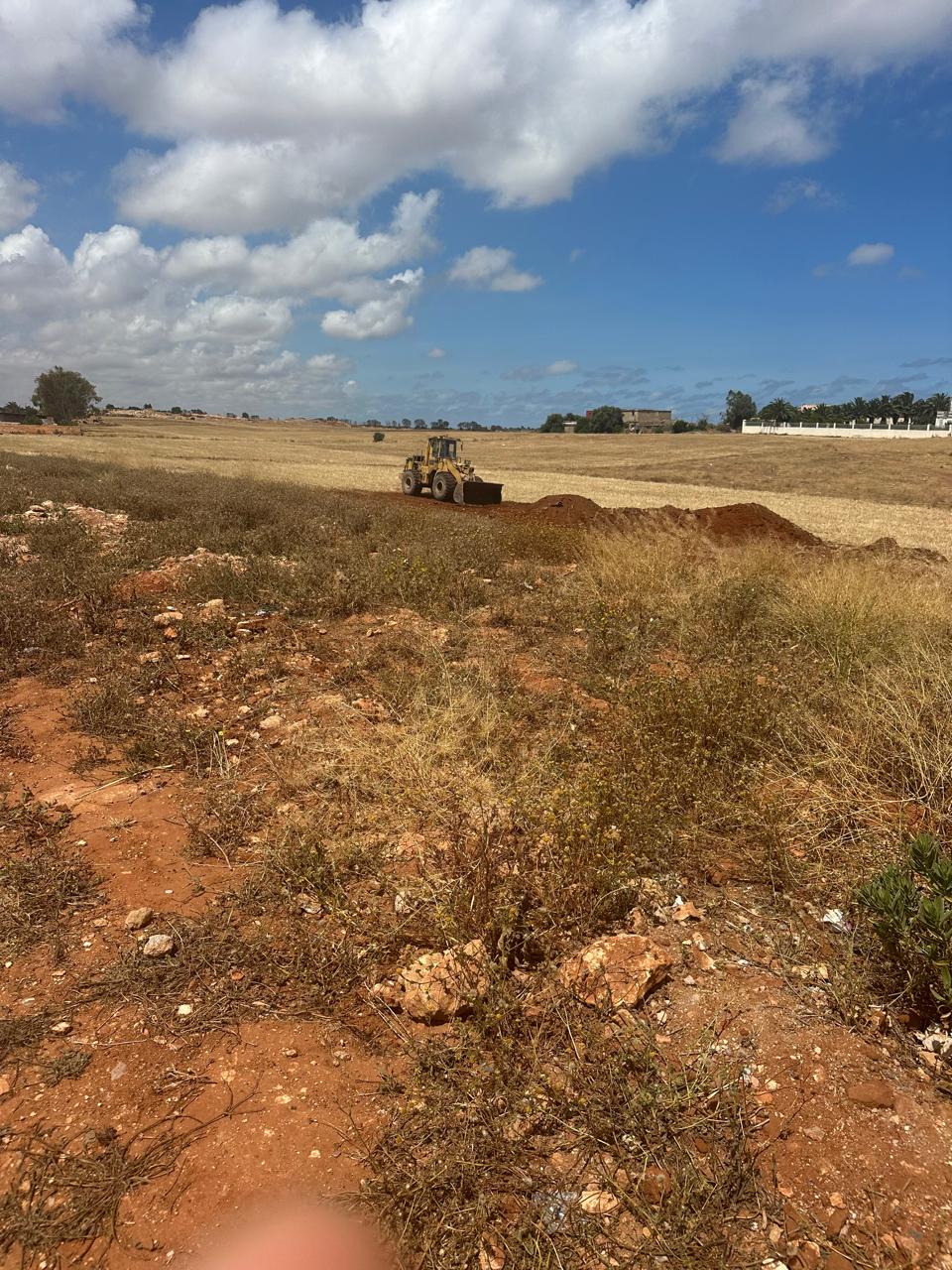
Terrassement has always been a heavy-equipment business, but the machines themselves — and the technology riding along inside them — have changed dramatically over the past decade. What used to depend heavily on operator judgment and repeated survey checks is now guided by GPS, laser leveling, and onboard sensors that shave days off schedules and tighten tolerances to the centimeter.
Here's a look at how modern machinery is reshaping the way earthworks projects get planned, executed, and delivered.
GPS-Guided Grading and Excavation
Modern excavators and dozers can now be fitted with GPS machine control systems that compare a 3D design model to the machine's real-time position. Operators see exactly how much material to cut or fill on a screen inside the cab, eliminating much of the manual staking and grade-checking that used to slow every phase down. The result is faster grading with far fewer rework passes.
Telematics and Fleet Monitoring
Every machine in a modern fleet can report its location, fuel consumption, engine hours, and maintenance status in real time. This lets site managers catch mechanical issues before they cause downtime, plan preventive maintenance around actual usage rather than guesswork, and keep utilization rates high across a multi-site operation.
- Real-time fuel and idle-time tracking to control operating costs
- Predictive maintenance alerts based on engine diagnostics
- Live location tracking across multiple active job sites
- Utilization reporting to optimize fleet deployment
Compaction Monitoring Technology
Compactors now come equipped with intelligent compaction systems that measure soil stiffness pass by pass and display real-time compaction maps. Instead of relying purely on a fixed number of passes, crews can see exactly where more compaction is needed and where the target density has already been reached — reducing over-compaction and catching soft spots before they become a foundation problem.
Drone Surveying for Faster Planning
Drone-based topographic surveys can capture an entire site in a fraction of the time of a ground survey crew, generating accurate elevation models that feed directly into the machine control systems on-site. This tightens the loop between design, survey, and execution, and makes it far easier to track earthwork volumes and progress against the schedule.
What This Means for Project Timelines
Combined, these technologies compress schedules, cut fuel and material waste, and reduce the rework that used to be baked into every earthworks budget. Clients benefit from tighter tolerances, more predictable completion dates, and equipment that's mobilized and monitored with far more precision than a decade ago. Investing in a modern fleet isn't just about having bigger machines — it's about running a smarter, faster site from day one.