
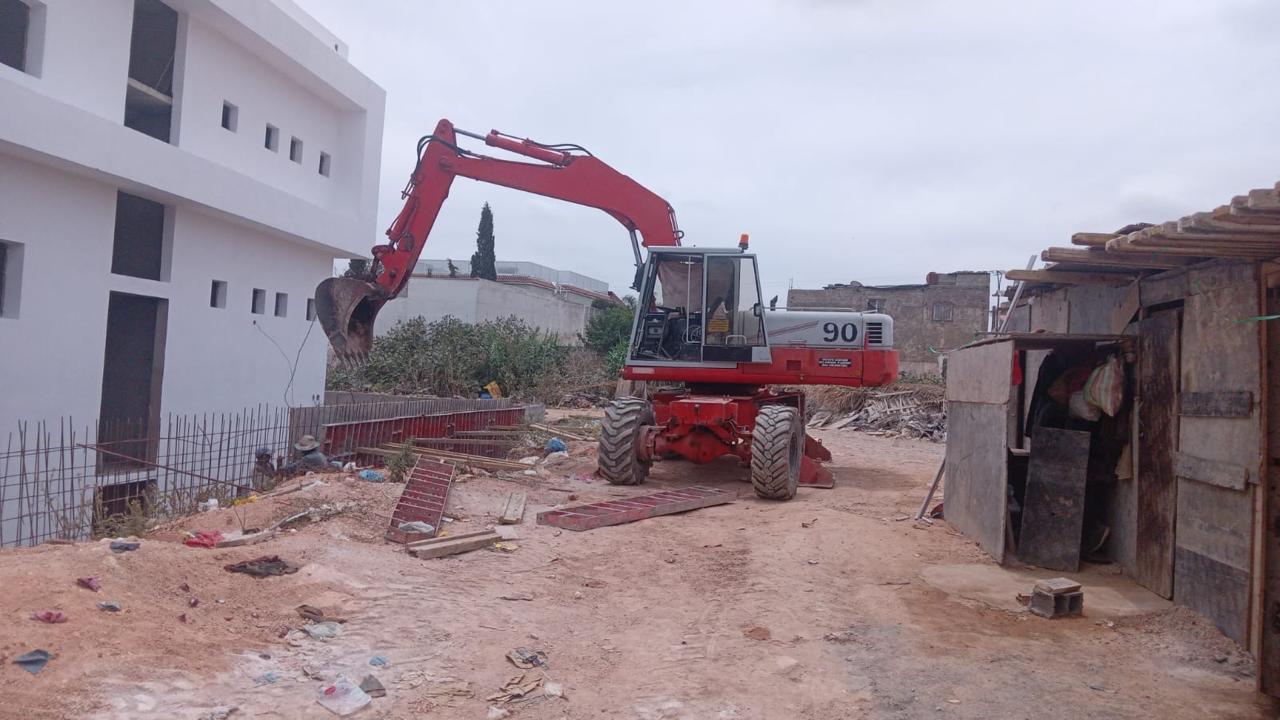
Every construction project starts the same way: with the ground itself. Yet it's remarkable how often site conditions get underestimated during early planning, only to surface as costly surprises once foundation work begins. A site that looks flat and stable on the surface can hide drainage problems, unstable fill, or uneven bearing capacity that will compromise everything built on top of it.
Before you break ground, it's worth asking whether your site needs professional earthworks first. Here are five signs that should move earthworks to the top of your pre-construction checklist.
1. Visible Water Pooling or Poor Drainage
If rainwater collects in low spots and takes days to drain, that's a red flag. Standing water erodes soil structure, weakens future foundations, and can lead to basement flooding or slab cracking down the line. A proper grading and drainage plan — cut slopes, swales, or French drains installed during earthworks — redirects water away from building zones before it becomes a structural liability.
2. Uneven or Sloped Terrain
Natural terrain is rarely perfectly level, and that's fine for open land — but not for a building pad. Slopes beyond a few percent grade need cutting and filling to create a stable, level building platform. Skipping this step means uneven settling, cracked slabs, and doors and windows that never quite close right.
3. Soft, Loose, or Previously Disturbed Soil
Land that was previously farmed, filled informally, or left undeveloped for decades often has loose topsoil or inconsistent compaction. Building directly on this soil without proper excavation and compaction risks long-term settlement. A geotechnical assessment combined with targeted earthworks — removing unsuitable material and compacting engineered fill — gives your foundation the bearing capacity it needs.
4. Existing Structures, Debris, or Vegetation
Old foundations, tree stumps, buried utilities, or construction debris left from a previous project all need to be cleared before excavation starts. Left in place, they can obstruct trenching, damage equipment, or create voids under new structures once they decompose or are removed later.
- Demolition of derelict structures and slab removal
- Stump grinding and root system clearance
- Safe location and removal of buried utility lines
- Sorting and hauling of construction debris
5. Access Roads and Staging Areas Aren't Ready
Heavy trucks, concrete mixers, and delivery vehicles need a stable, compacted route onto the site — not a muddy track that turns into a bottleneck after the first rain. Preparing access roads and equipment staging areas as part of the earthworks phase keeps the whole project moving instead of stalling before it starts.
Getting It Right the First Time
Earthworks are the foundation of every foundation. Cutting corners here rarely saves money — it just delays the cost and moves it to the middle of construction, when it's far more expensive to fix. A professional site assessment before you mobilize equipment can catch these five issues early and give your entire project a stable, predictable start.