
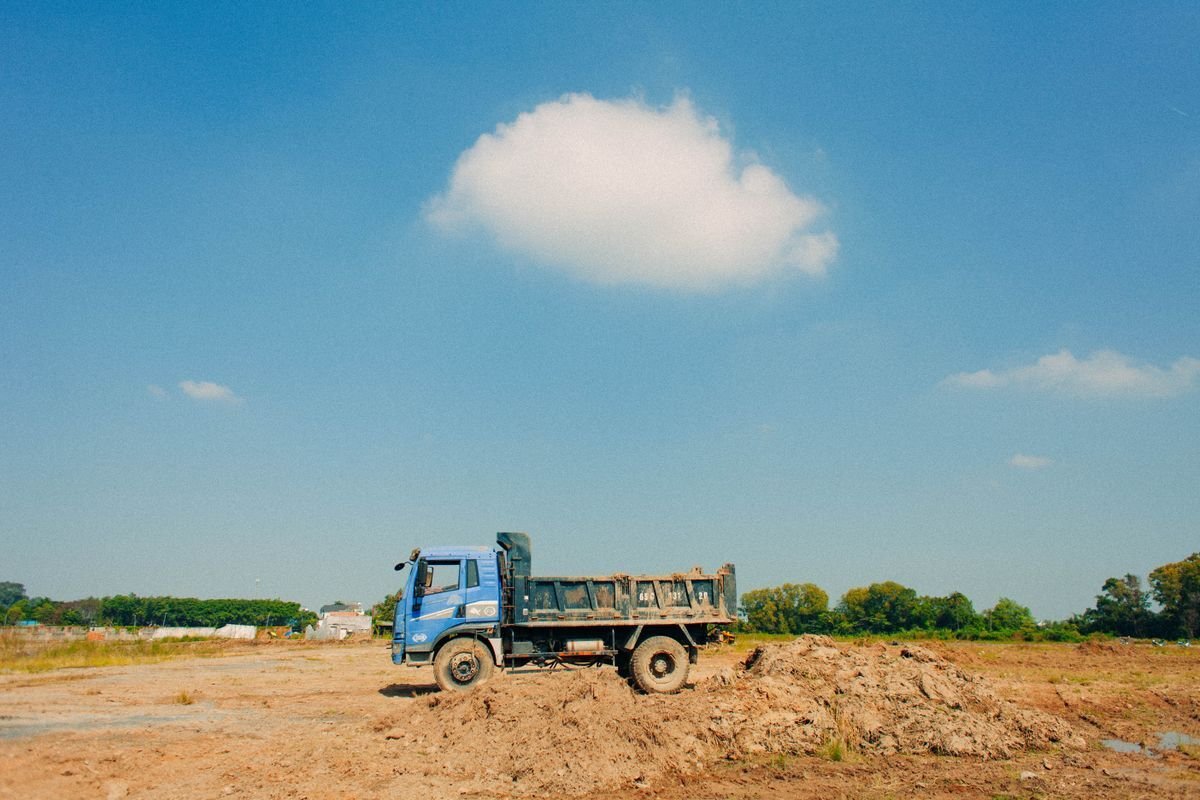
Morocco's climate varies dramatically from the coast to the interior, and timing an earthworks project around the right season can mean the difference between a smooth, on-schedule job and one plagued by weather delays and rework. Understanding how seasonal conditions affect soil, access, and equipment performance helps you plan a realistic project timeline from the start.
Here's how Morocco's seasons affect terrassement work, and how to schedule your project for the best conditions.
Morocco's Climate Zones and What They Mean for Earthworks
Coastal regions like Casablanca and Rabat see milder, more humid conditions year-round, while interior and southern regions experience more extreme dry heat in summer and occasional heavy rain in winter. A project's location should directly inform when it's scheduled — what works well in Marrakech in July may be a poor choice in Tangier during the same month.
Dry Season Advantages
The dry season — roughly April through October across most of the country — offers the most predictable working conditions for excavation and grading. Stable, dry soil compacts more reliably, machine access rarely gets bogged down, and schedules are far less likely to slip due to weather. Most large earthworks projects in Morocco are scheduled to have bulk excavation completed before the rainy season begins.
Rainy Season Challenges
Winter rains, concentrated between November and March, can turn a dry, stable site into a muddy, difficult-to-access one within days. Saturated soil doesn't compact properly, open excavations risk flooding and sidewall collapse, and equipment mobility drops significantly on unpaved access roads. Projects that must proceed during this window need proper drainage planning and often take longer per phase than the same work in dry season.
Coastal vs Inland Timing Considerations
Coastal sites deal with more consistent humidity and occasional fog that can delay early-morning starts, but rarely see the extreme heat that slows daytime productivity inland during peak summer. Interior and desert-adjacent sites, by contrast, benefit from scheduling heavy physical work — like bulk excavation — for early morning and late afternoon during the hottest months to protect both crew safety and equipment performance.
Scheduling Tips for Weather-Resilient Projects
A few planning decisions early on make any project far less vulnerable to seasonal disruption, regardless of when it starts.
- Schedule bulk excavation and rough grading during the dry season whenever possible
- Build temporary drainage into the site plan before winter work begins
- Add weather contingency days into the schedule for projects spanning season changes
- Sequence indoor/foundation work for the rainy months and outdoor grading for dry ones
Planning Your Project Timeline
The right season for your project depends on its location, scale, and how much schedule flexibility you have. Our team factors regional climate patterns into every project plan, sequencing phases to minimize weather risk and keep your timeline realistic from the first day of mobilization.